
Kenya · Tanzania
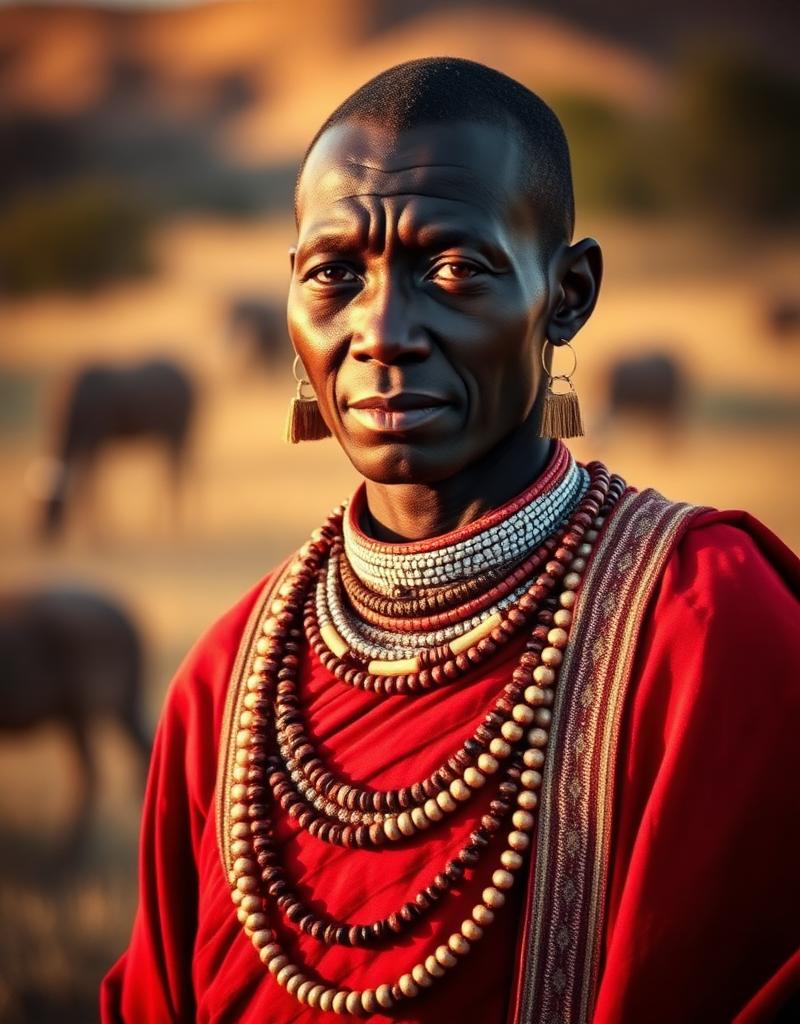
Maasai
Language: Maa1.5M speakers
Semi-nomadic pastoralists known for their red shuka, beadwork, and the adumu jumping dance.
Every tribe carries language, music, attire, and ceremony. Walk through a few of the keepers — and meet the people behind the heritage.
Semi-nomadic pastoralists known for their red shuka, beadwork, and the adumu jumping dance.
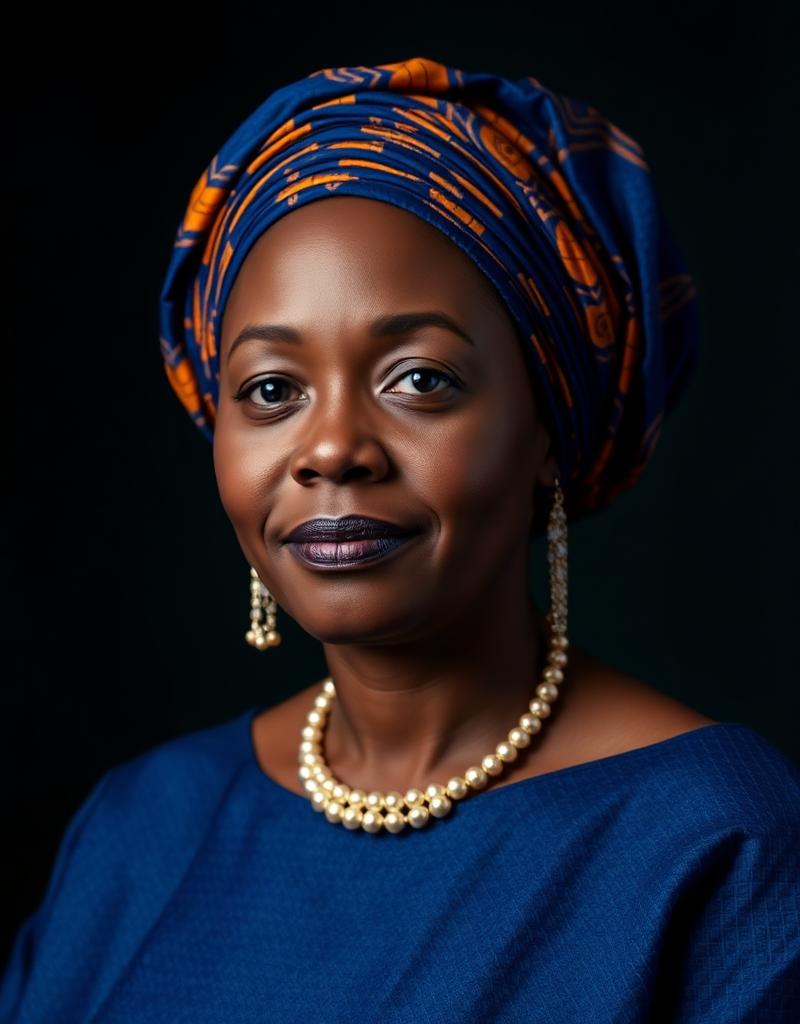
A people of philosophy and proverbs — orí, ifá, indigo adire cloth, and the talking drum.
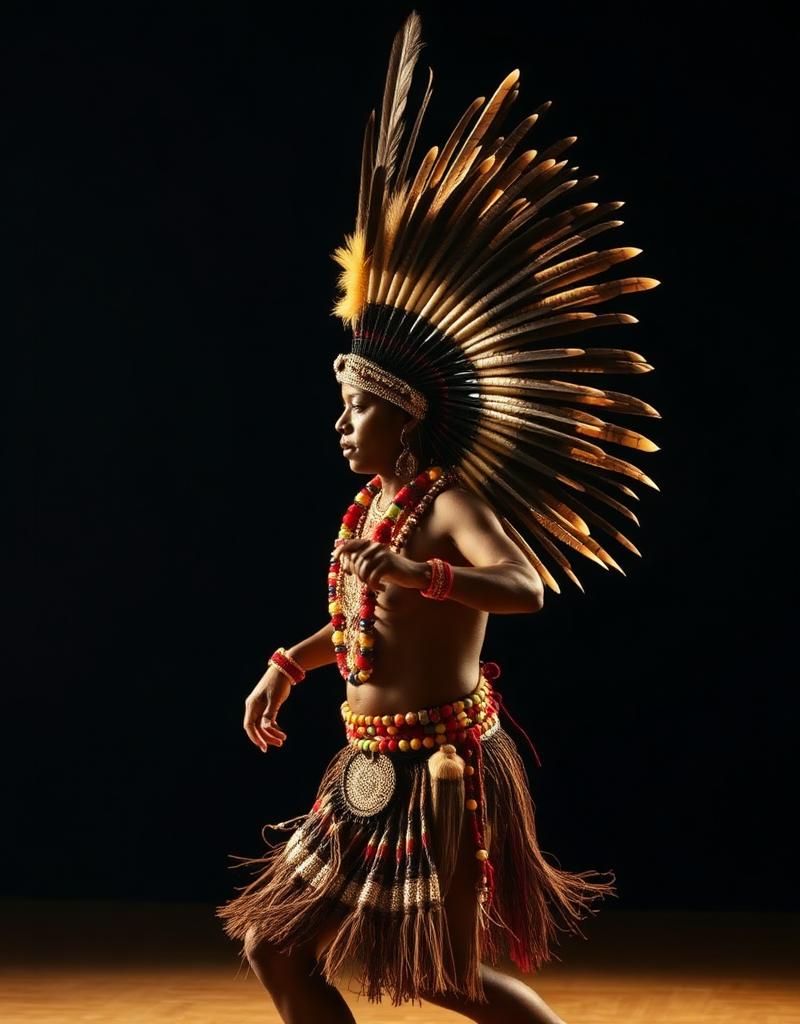
Warriors and storytellers of KwaZulu — beadwork that speaks, and dances that shake the earth.
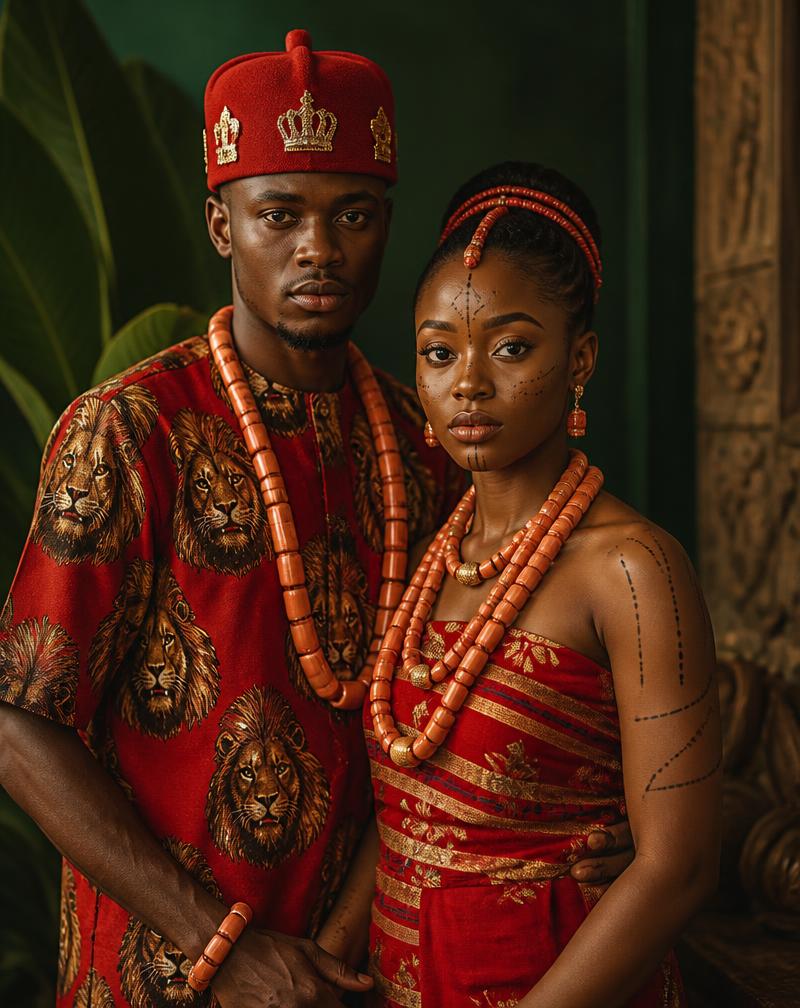
People of the red okpu agu cap, isiagu cloth, and coral beads — masters of trade, uli art, and the New Yam Festival.
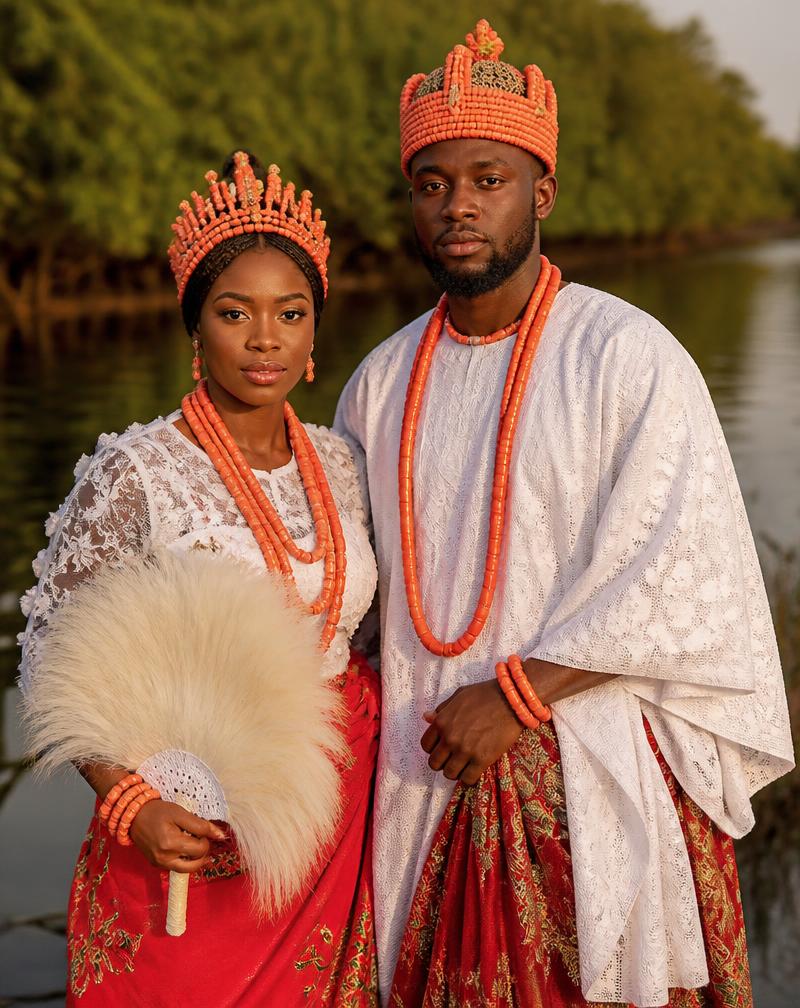
Riverine kingdoms of the Niger Delta — coral crowns, Igbe worship, ọwụ masquerades, and creek-side storytelling.
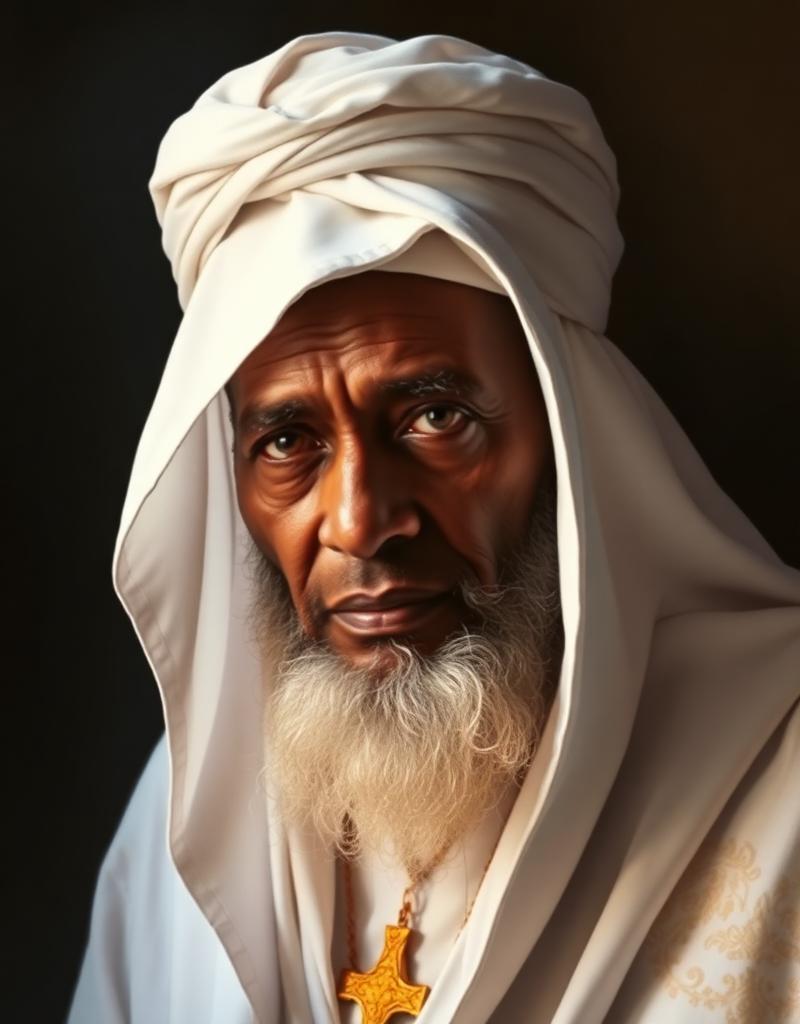
Highland keepers of ancient Christian tradition, Geʽez script, and Lalibela's rock-hewn churches.
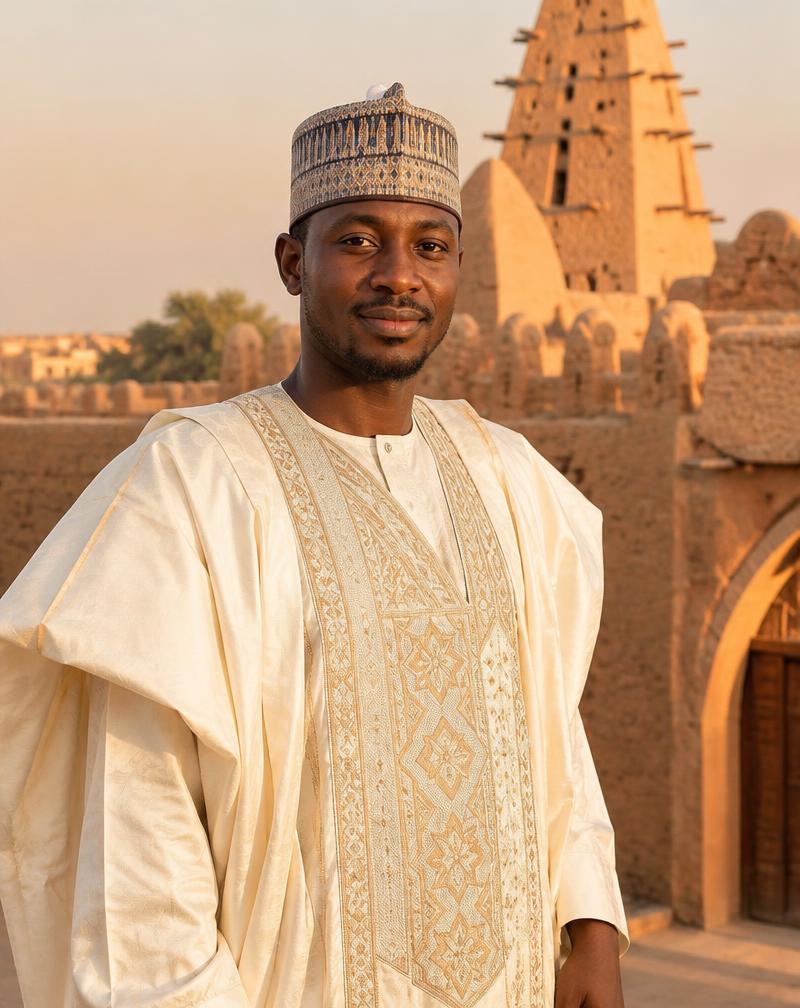
Traders and scholars of the Sahel — embroidered babban riga, Kano's ancient walls, and the Durbar festival.
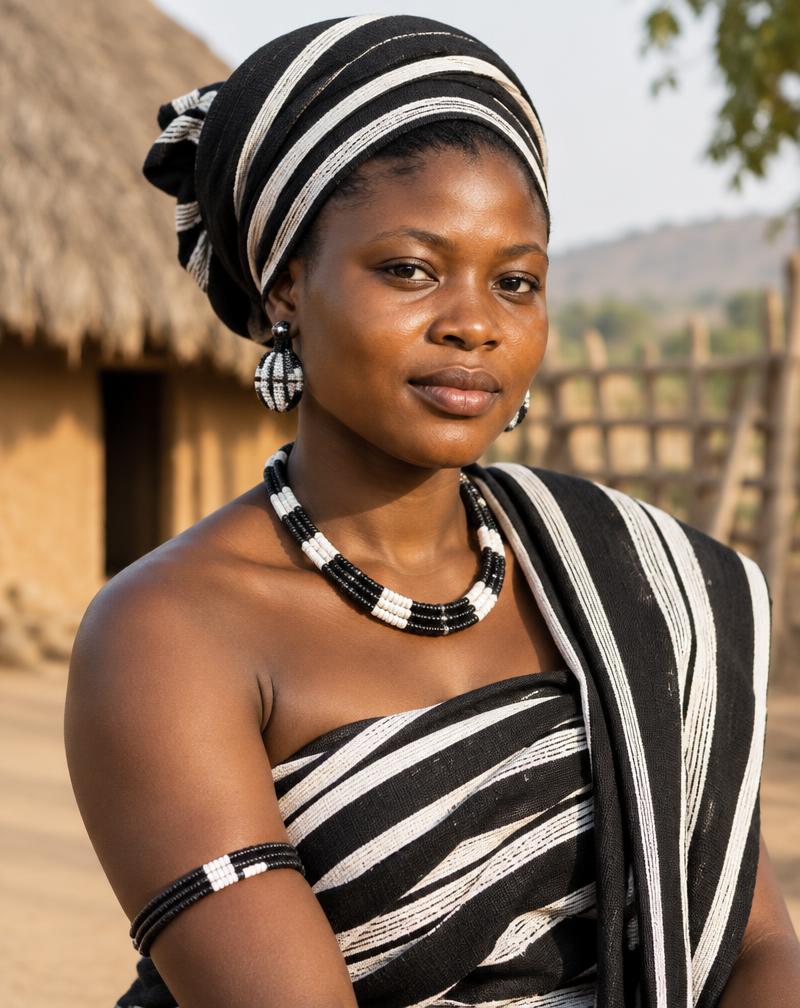
Farmers of the Benue valley, known for black-and-white A'nger cloth and the swange dance.
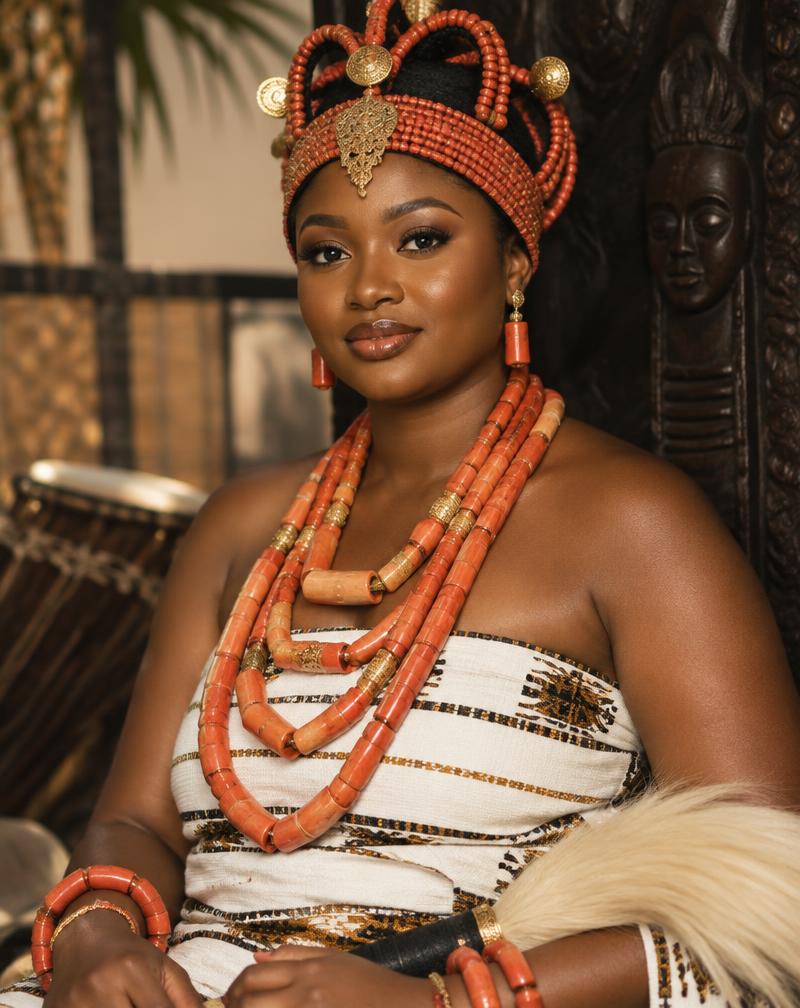
Calabar's coral-crowned people — Ekpe society, nsibidi symbols, and famous hospitality.
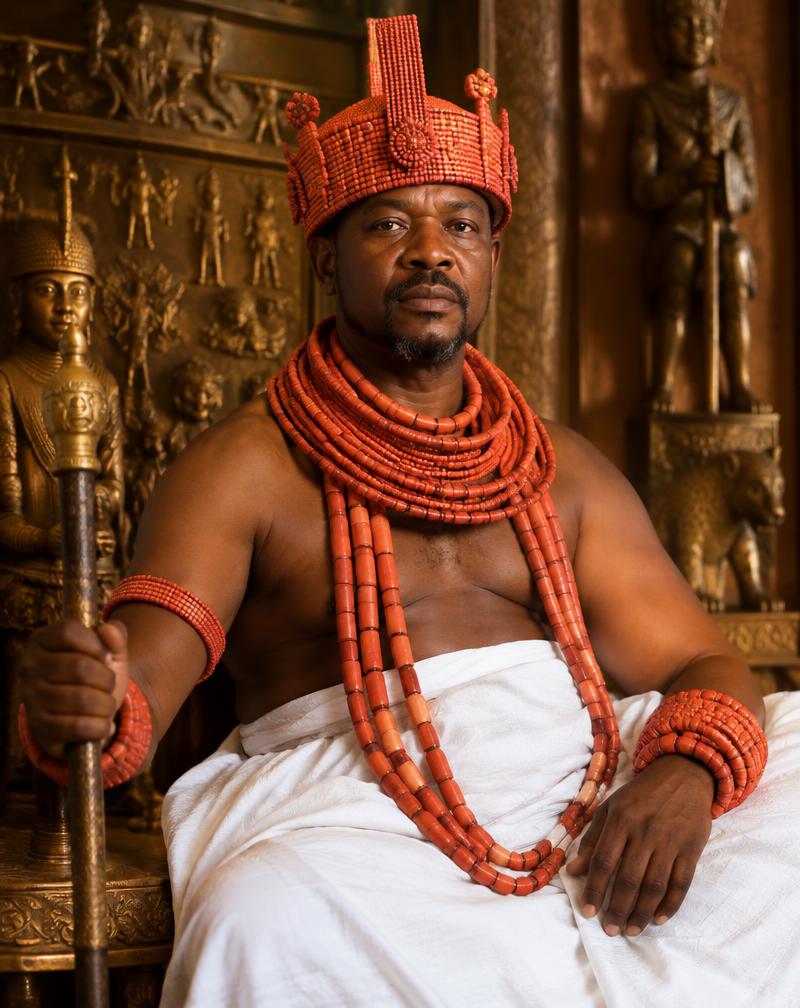
Heirs of the Benin Kingdom — bronze casters, coral regalia, and the court of the Oba.
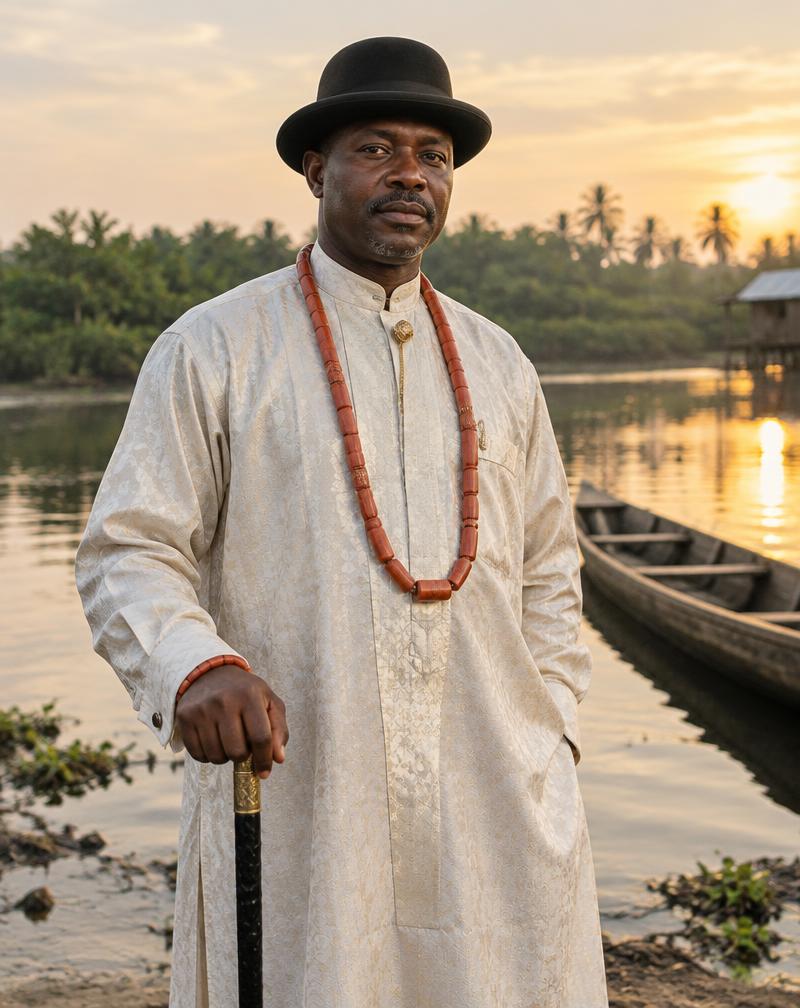
People of the creeks — canoe regattas, etibo shirts, and water-spirit masquerades.
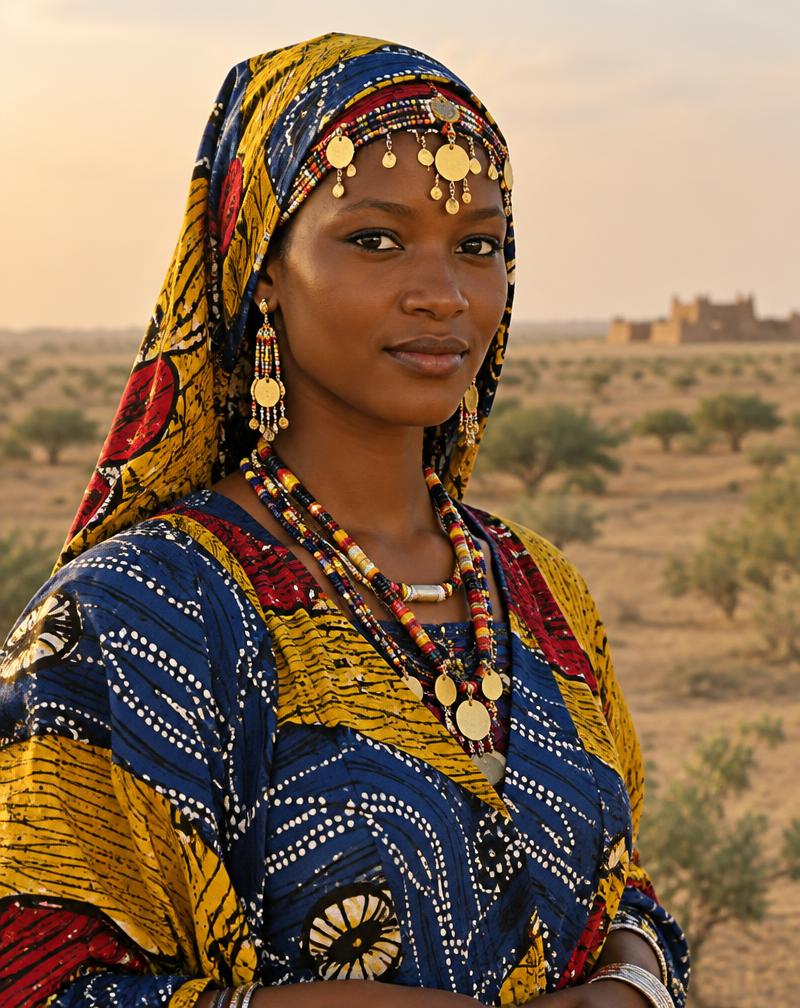
Descendants of the Kanem-Bornu Empire — Lake Chad traditions, horsemanship, and Islamic scholarship.